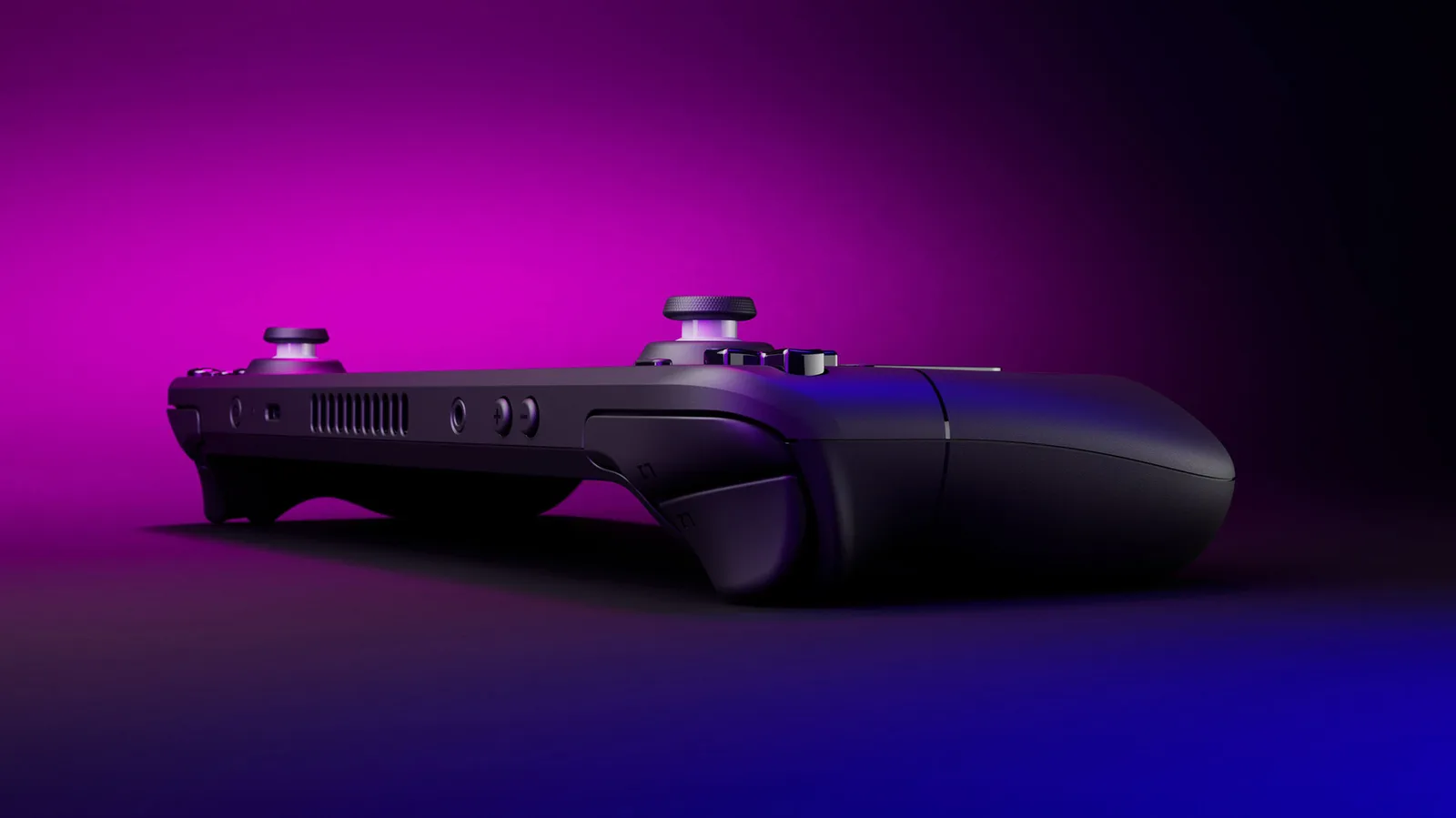
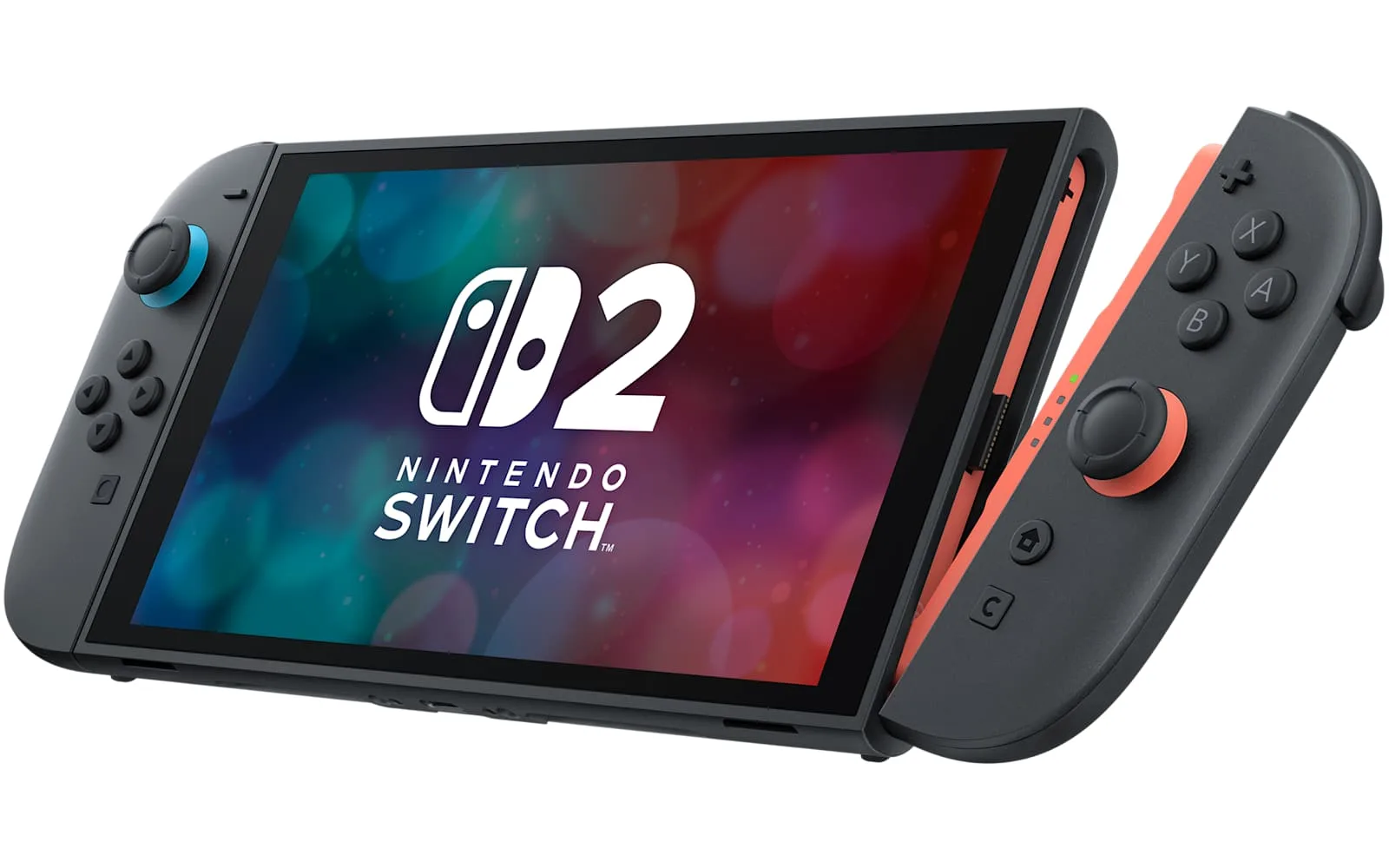
Steam Deck vs Switch 2, short version: buy the Steam Deck OLED ($789 for 512GB as of October 2026) if you want to play the PC games you own or plan to buy on Steam. Buy the Nintendo Switch 2 ($499.99) if you want Nintendo's games, a console that docks to your TV out of the box, and $289 back in your pocket. They aren't rivals for the same library, so start with the games, not the screen.
This is a buying guide, not a new test. We haven't handled either device. Every number below comes from Valve, Nintendo or an outlet we name and link.
Steam Deck vs Switch 2: Who Should Buy Which
Get the Steam Deck OLED if:
- Your library is on Steam, or you want PC games on a handheld.
- Screen quality matters: it has an HDR OLED panel, per Valve.
- You want more battery on paper (Valve claims 3 to 12 hours).
Get the Switch 2 if:
- You want Nintendo's own games. Mario Kart World is $79.99 digital on Nintendo's store as of October 2026. Nintendo's first-party games, such as Mario Kart World, are sold for Nintendo's consoles, and we found no Steam Deck version.
- You want a TV console and a handheld in one box: Nintendo says the dock comes with the system.
- You own Switch 1 games and want to keep playing them.
- Price decides it. The gap is $289.01.
Skip both if you want the newest Windows handheld with Game Pass. That's a different decision, covered in our Deck vs ROG Ally comparison for Windows and Game Pass players.
Steam Deck vs Switch 2: Specs and Prices Side by Side
| Steam Deck OLED | Nintendo Switch 2 | |
|---|---|---|
| Price, US (Oct 2026) | $789 (512GB), $949 (1TB) | $499.99 (256GB) |
| Screen | 7.4" HDR OLED, 1280x800, up to 90Hz | 7.9" LCD, 1920x1080, HDR10, up to 120Hz |
| Brightness | 1,000 nits peak (Valve) | Not listed by Nintendo |
| Storage | 512GB or 1TB SSD, microSD slot | 256GB, microSD Express only |
| Battery (maker claim) | 50Wh, 3 to 12 hours | 5,220mAh, about 2 to 6.5 hours |
| Weight | About 640g (1.41 lbs) | 0.88 lbs console only; 1.18 lbs with Joy-Con |
| TV output | Needs the dock or a USB-C adapter, sold separately | Dock included, up to 4K at 60fps |
| Online play | Steam | Nintendo Switch Online membership |
| Chip | AMD APU (Valve) | Custom NVIDIA processor (Nintendo) |
Sources: Valve's Deck OLED page and tech specs and dock page; Deck prices from Game Developer; Nintendo's price notice and tech specs; Switch 2 weight with controllers from Tom's Guide. The 1.41 lbs is our conversion of Valve's 640g.
Two notes on the table. The prices are the point: both makers raised them this year. Valve moved the 512GB OLED from $549 to $789, according to Game Developer, and Nintendo moved the Switch 2 from $449.99 to $499.99 on September 1, 2026, per its own notice. CNBC reports that memory costs are behind Nintendo's increase. And the Switch 2 is the lighter handheld with controllers attached, though the weights aren't measured on the same basis.
Switch 2 vs Steam Deck: What the Sources Say
Screen. The Deck's panel is smaller (7.4 inches against 7.9) and lower in resolution, but it's OLED with a 1,000-nit HDR peak, per Valve. Nintendo lists a 1080p LCD with HDR10 and variable refresh up to 120Hz. On paper that's a sharper, faster panel on the Switch 2 against better contrast on the Deck. Those are spec sheets, not a lab comparison, and we found no independent measurement of the Switch 2's brightness.
Battery. Valve claims 3 to 12 hours; Nintendo says about 2 to 6.5. PCGamesN's Deck OLED review lasted 3 hours 26 minutes at a 60fps cap. We didn't open an independent Switch 2 battery test, so we won't name a winner. Tom's Guide's spec page quotes "2.5 to 6.5 hours," slightly different from Nintendo's own page; we use Nintendo's.
TV mode. This is the clearest practical gap. Nintendo includes the dock, which also has a fan for cooling, per its features page. Valve sells its dock separately, and its tech page says the Deck outputs DisplayPort over USB-C, up to 8K at 60Hz or 4K at 120Hz. If the TV is half your plan, add the dock: Valve's Steam store page showed $79 on October 3, 2026, which puts a Deck with its dock near $868 against $499.99 for the Switch 2 with its dock in the box (our arithmetic).
Performance. The Deck runs an AMD chip, the Switch 2 a custom NVIDIA one. We found no independent test that runs the same game on both, so we make no claim about which is faster. Nintendo's own games are sold for its consoles, so a speed contest wouldn't settle your choice anyway.
Games, Online Play and Backward Compatibility
The library is the real decision. The Deck plays PC games through SteamOS, and Valve's Verified labels tell you what to expect before you buy. The Switch 2 plays Nintendo's games and third-party releases. Nintendo says it plays compatible physical and digital Switch games, with some titles limited. Your Switch 1 collection mostly carries over; check each game.
Online play is a recurring cost on the Nintendo side. Nintendo Switch Online lists $19.99 a year for an individual membership and $49.99 with the Expansion Pack, as of October 2026, and online play for compatible games is part of it. We didn't find a Valve page that lists an equivalent subscription for Steam, but some publishers charge for their own online services, so check your games.
Storage costs differ too. The Deck takes standard microSD cards. The Switch 2 needs microSD Express, and Tom's Guide notes that older Switch cards don't work. If you pick the Deck, a microSD card, a case and a screen protector cover most of what you'll need.
What We Couldn't Verify
- Current street prices. The $789 and $499.99 figures are list prices from Game Developer and Nintendo. Retail prices and stock move.
- An Amazon listing for the Switch 2. We couldn't confirm a product page, so we link Nintendo's own page and no store.
- Independent battery and performance tests of the Switch 2. We didn't open Digital Foundry, The Verge or IGN reviews, so every Switch 2 battery figure here is Nintendo's claim.
- Price of Steam games. We give no total cost for a Deck library.
- Durability of either device over years of use.
Bottom Line
The cheaper pick does 90% of the job if you're a Nintendo fan: the Switch 2, at $289.01 less, with a dock in the box. If you play on PC, the Steam Deck OLED is the one to buy. It costs more, but your Steam library comes with you and the screen is OLED. Don't pick on specs; pick on the games you'll play next month.
- Cheaper: a refurbished Deck OLED, reported by Dexerto at $629 (512GB), if stock exists. Check the price at Valve.
- More expensive: a Windows handheld such as the ROG Xbox Ally X ($999.99 per ASUS), ranked in our handheld gaming PC roundup.
- Nintendo's side: see the Switch 2 at Nintendo.
FAQ
Is the Steam Deck better than the Switch 2?
Neither is better for everyone. The Deck ($789) plays PC games and has an HDR OLED screen, per Valve. The Switch 2 ($499.99) plays Nintendo's games and includes a TV dock, per Nintendo. The Deck costs $289.01 more. Pick the library you want.
Which is cheaper, Steam Deck or Switch 2?
The Switch 2 is cheaper, by $289.01 against the 512GB Deck ($789 vs $499.99), as of October 2026. The Deck adds a dock cost if you want TV play, since Valve sells the dock separately and its Steam store page showed $79 on October 3, 2026. That puts a Deck with its dock near $868 (our arithmetic).
Can the Switch 2 play Switch 1 games?
Mostly. Nintendo says the system plays compatible physical and digital Switch games, and warns some titles may have limited compatibility. Your Switch 1 collection mostly carries over; check each game. The Switch 2 needs microSD Express, and older Switch cards don't work, per Tom's Guide.
Does the Steam Deck need a subscription to play online?
We found no Valve subscription page for Steam. The Switch 2 uses Nintendo Switch Online, at $19.99 a year individually, or $49.99 with the Expansion Pack, per Nintendo. Some Steam games have their own online fees, so check each one.
Which has better battery life?
Valve claims 3 to 12 hours for the Deck and Nintendo about 2 to 6.5 for the Switch 2. PCGamesN measured 3 hours 26 minutes on the Deck at 60fps. We found no independent Switch 2 test, so we can't name a winner.
 Reviews
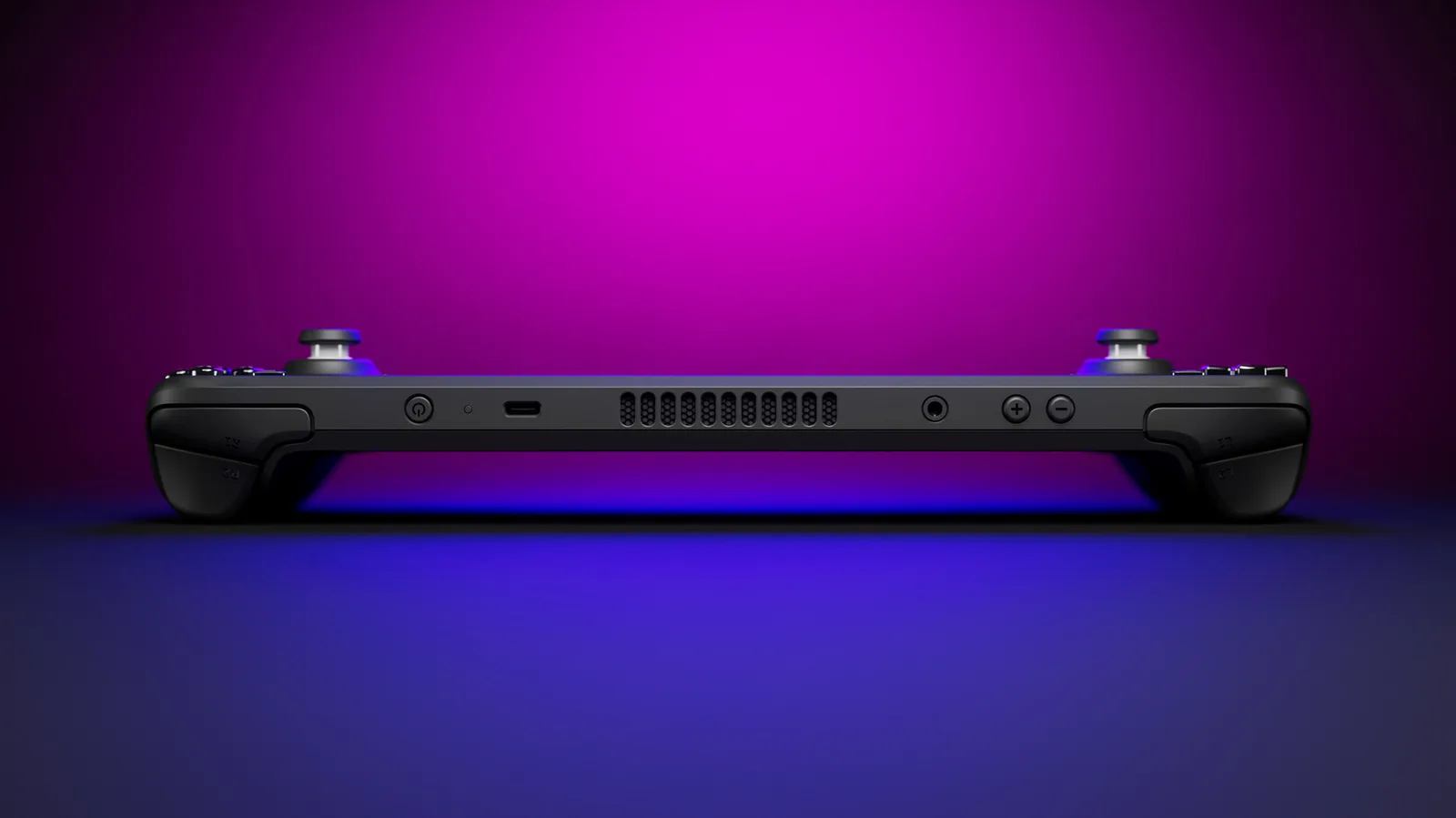
Best Handheld Gaming PC (2026): 4 Picks Ranked
Four handheld gaming PCs ranked for October 2026, from the $789 Steam Deck OLED to the Intel-powered MSI Claw 8 AI+. Prices, battery, weight and OS side by side, built from the makers' specs and independent reviews.
 Reviews
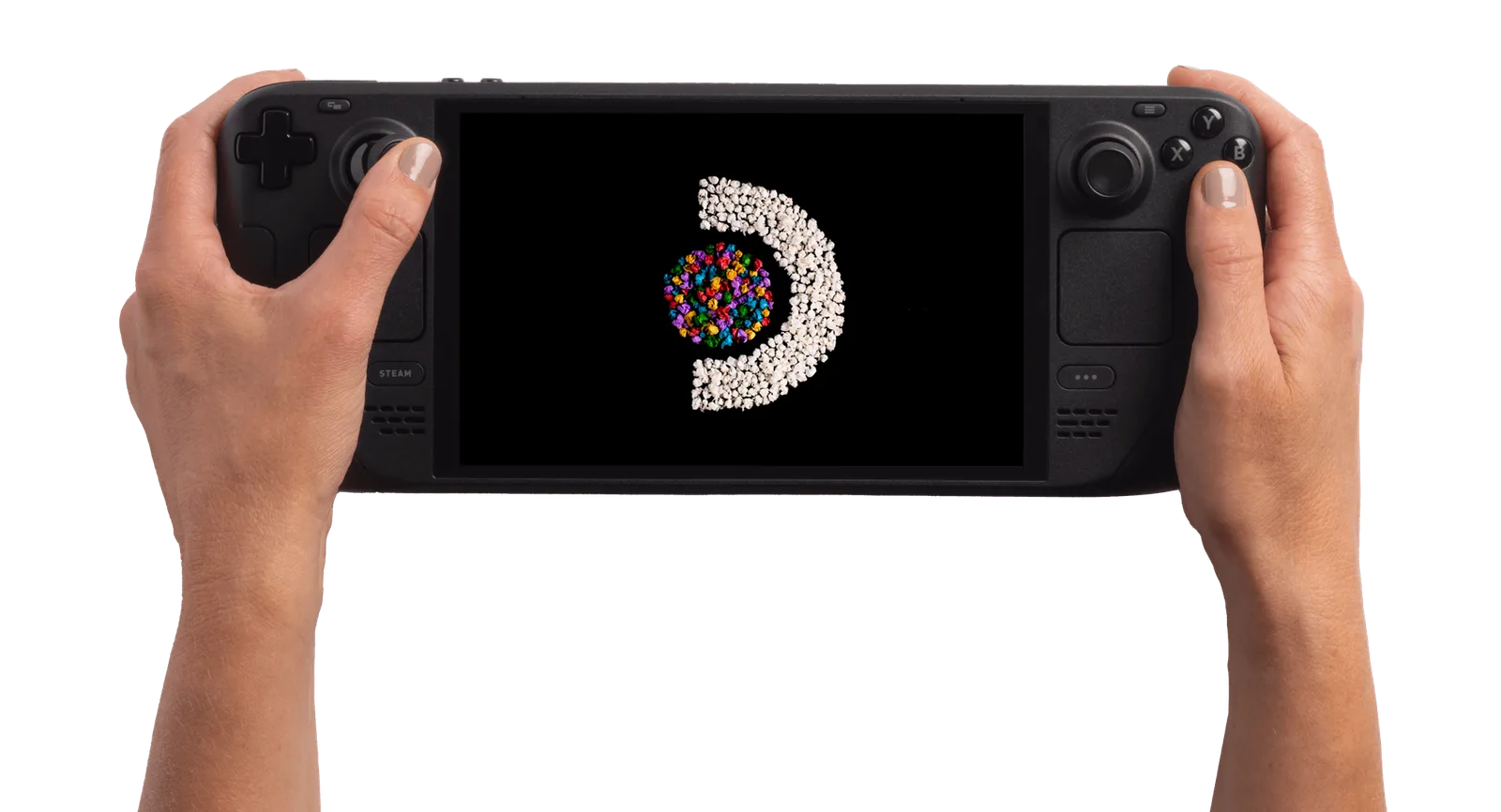
Steam Deck OLED Review (2026): Worth $789?
Steam Deck OLED review: Valve raised its prices by over 40% in 2026. The screen and battery upgrades over the LCD model are real. The question is whether they're worth $789 real, not launch-price real.
 Reviews
Steam Deck vs ROG Ally (2026): Which to Buy?
Steam Deck vs ROG Ally in October 2026: the Windows handheld has the bigger battery and opens more stores, while the Deck OLED is cheaper and simpler. Here's how to pick, using the makers' specs and independent reviews.