What a Dock Actually Needs to Do
Before picking a dock, it helps to know what can go wrong with a bad one: not enough power delivery to actually charge the Deck under load, an HDMI port capped below 4K/60Hz, or USB ports that drop out under sustained transfer. A dock that gets these three things right turns the Steam Deck into a genuine living-room setup; one that doesn't will bottleneck a device that's otherwise fully capable of driving a TV.
Our Pick: UGREEN 9-in-1 Steam Deck Dock
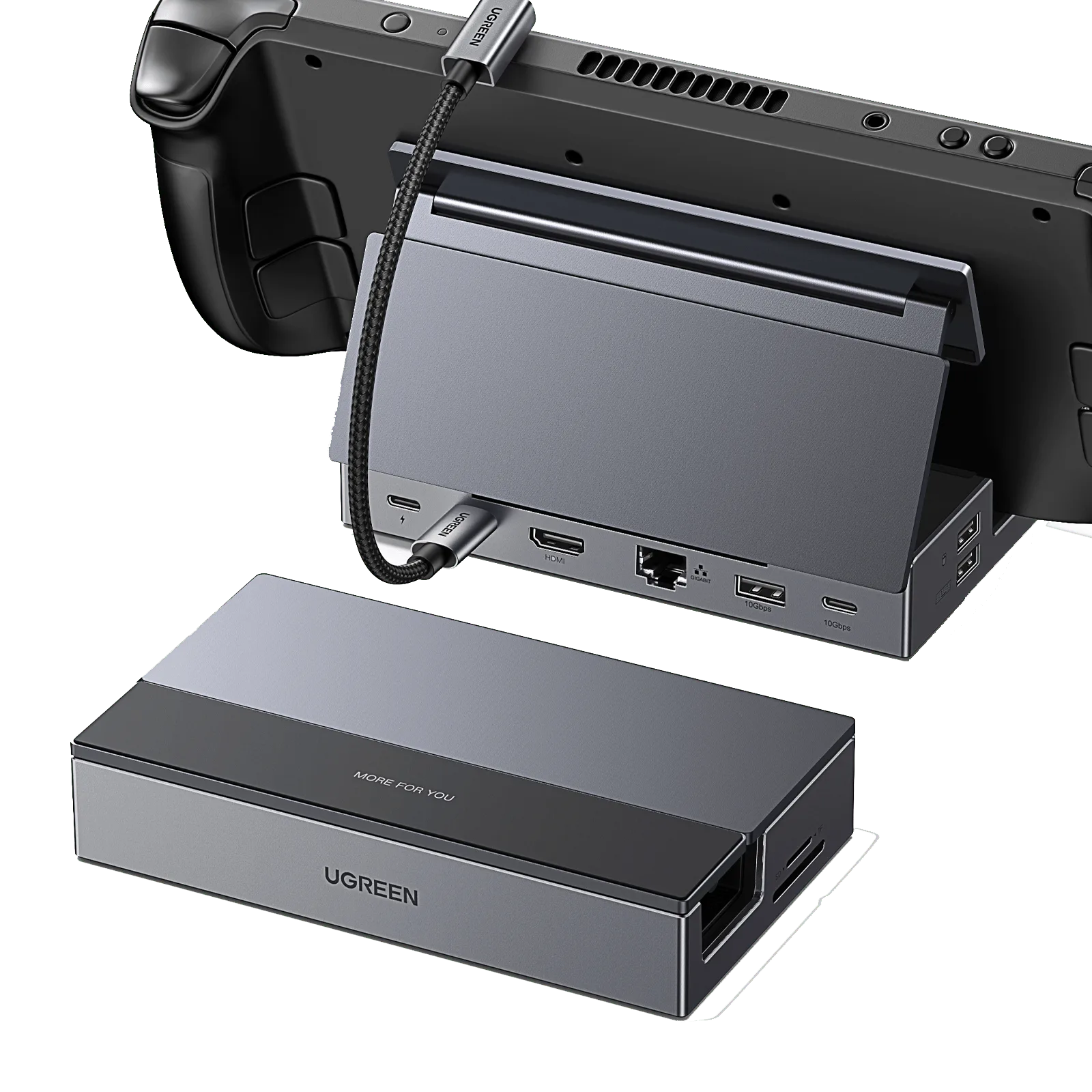
At $60 (regularly discounted to around $40), the UGREEN 9-in-1 covers the ports that matter without overbuilding: two USB 3.2 Gen 2 ports (one-A, one-C) at up to 10Gbps, two USB-A 2.0 ports for peripherals, TF and SD card slots, Gigabit Ethernet, and an HDMI 2.0 port that pushes 4K at 60Hz.
The detail that matters most for a handheld dock specifically is power delivery: its 100W USB-C PD port can send more than 70W to the device it's docking, which is enough headroom for higher-draw modes like the ROG Ally's 30W Turbo profile while still charging. It's sold under the Steam Deck name but works just as well with the ROG Ally, ROG Ally X, Legion Go, and MSI Claw — useful if your household has more than one handheld. That compatibility should extend to the newly announced ROG Xbox Ally X20 too, based on its port layout — though it hasn't shipped yet to confirm, there's likely no reason to wait for a dock built specifically for it.
Independent reviews note two real gaps: no DisplayPort output, and only two USB-A 2.0 ports where a third would help if you're running a keyboard, mouse, and controller at once. Neither is a dealbreaker for a TV setup, but worth knowing before you buy if your use case is peripheral-heavy.
Cheaper and Pricier Options
JSAUX HB0602 ($24) covers 90% of the same ground — HDMI 2.1 with 4K at 120Hz and HDR support — at a third of the price, if you don't need the extra USB ports or Ethernet.
BenQ GR10 sits at the premium end, pairing 4K/120Hz output with a more refined build — worth it only if you're already running a TV or monitor that can actually use 120Hz, otherwise it's paying for headroom you won't use.
Setting It Up: What Actually Matters
Plug power into the dock first, then the Deck — docks that get power backwards can fail to negotiate the higher wattage modes on first connect. Use the HDMI port directly into the TV rather than through an AV receiver switch if you see any handshake issues on boot; Steam Deck's docked-mode HDMI output is more sensitive to that than most laptops. In Steam's docked settings, confirm the output resolution matches your TV's native resolution rather than trusting auto-detect — a manual match avoids the soft, scaled image that auto-detect sometimes produces on the first connection.
A dock solves docked play specifically; for the storage card, case, and screen protector that cover everyday handheld use, see our roundup of the accessories actually worth buying.
 Reviews
NTE: Neverness to Everness Review (2026): Worth Playing?
Hotta Studio followed Tower of Fantasy with a bigger, stranger open world. Six months after launch, here's an honest look at what Neverness to Everness actually gets right — and where it doesn't.
 News
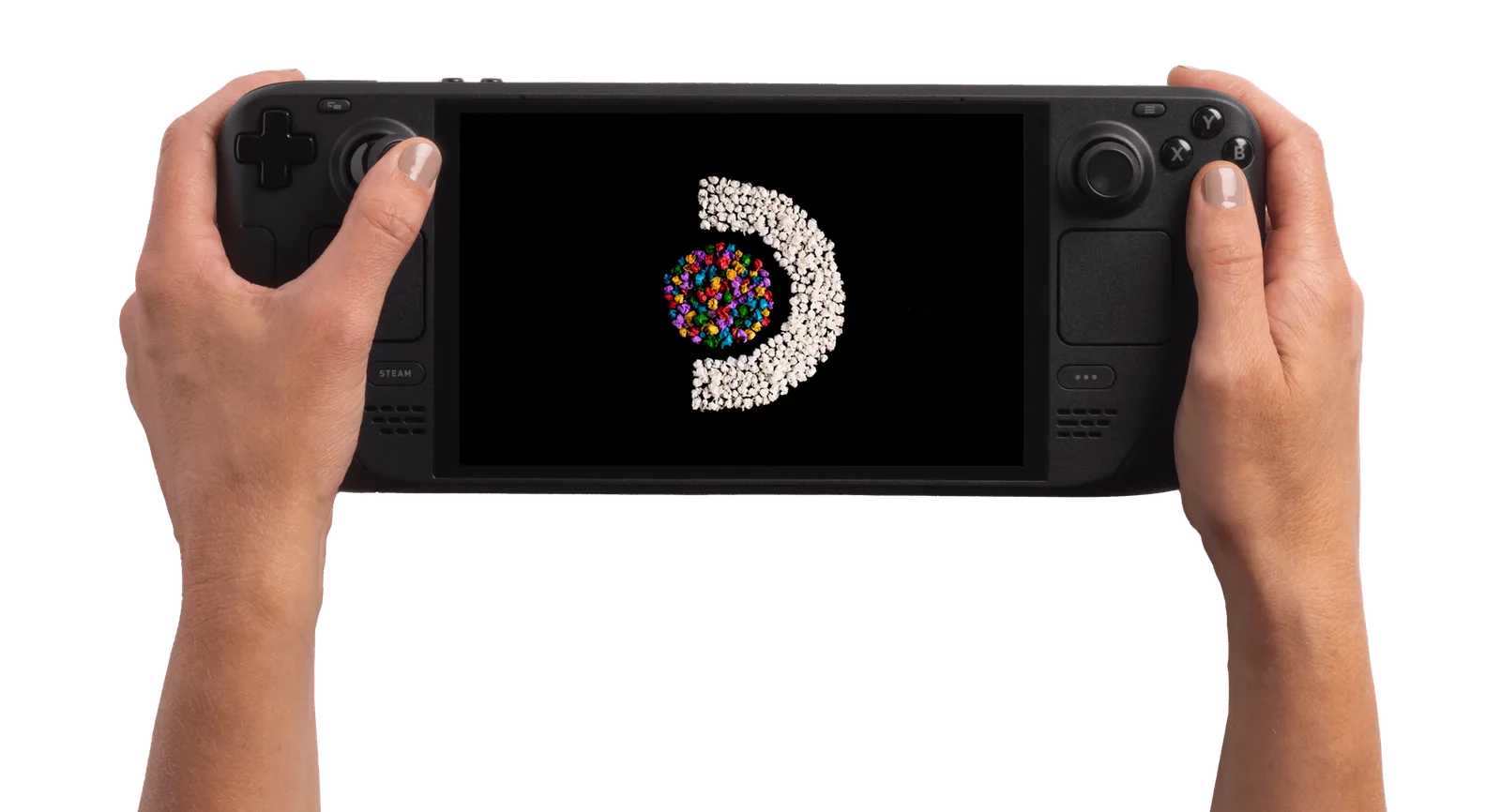
NewsSteam Deck 2: Valve Says It's Close, One Issue Left
No release date yet — but Valve confirms Steam Deck 2 is real and 'getting there.' Here's the exact chip problem holding it back, and what to buy today instead.
 News
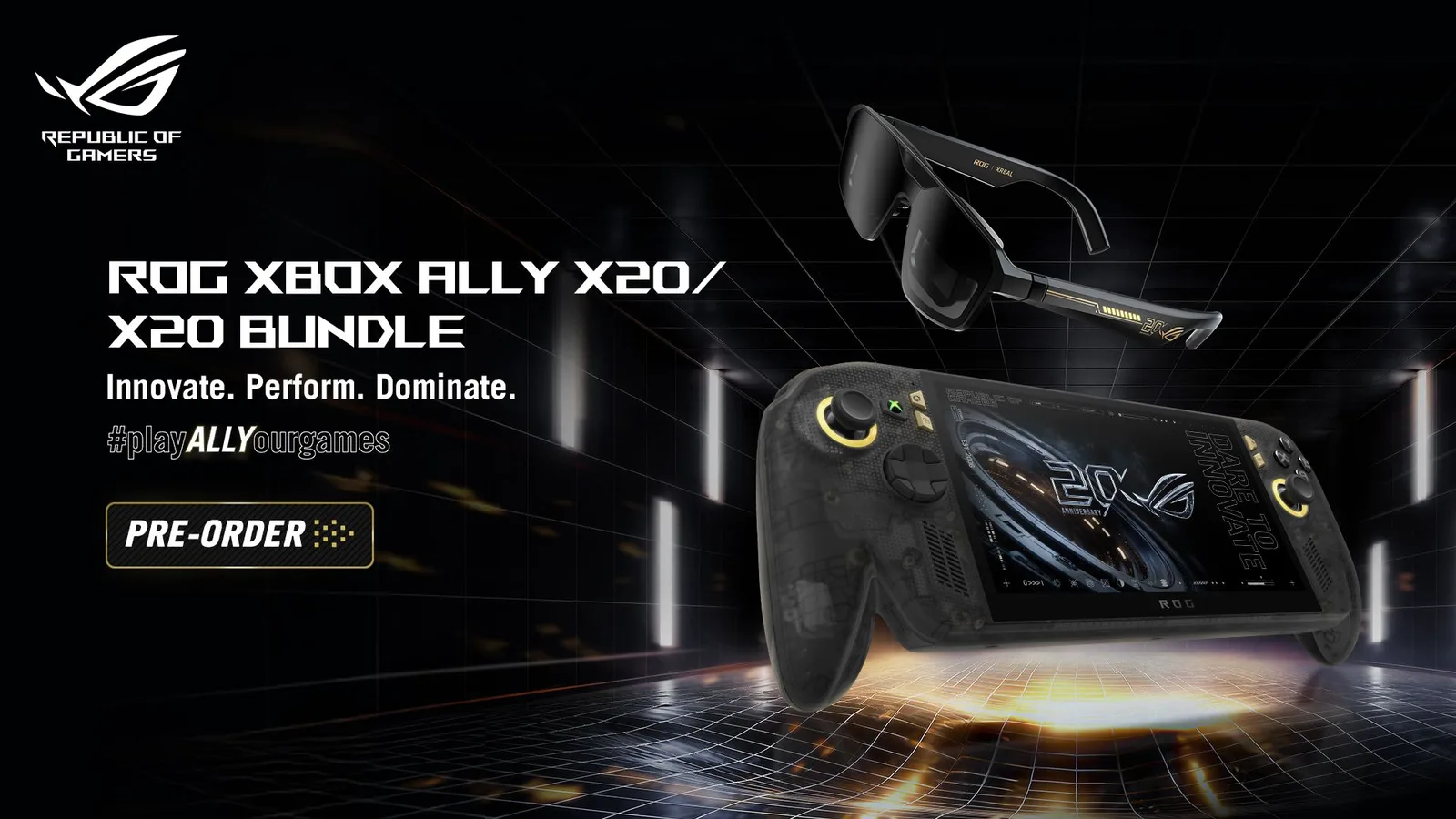
NewsROG Xbox Ally X20 Preorders Are Live: OLED Screen, $1,299.99, October 15 Launch
Preorders for the ROG Xbox Ally X20 opened August 25, bringing the first true OLED screen to ASUS's handheld lineup. Here's what actually changed, the price, and what to know before you commit.