- Quick Picks: Best Graphics Card for Gaming by Resolution
- How We Picked the Best GPUs for Gaming
- 1. Radeon RX 9070 XT: Best Overall
- 2. GeForce RTX 5070 Ti: Best for 4K
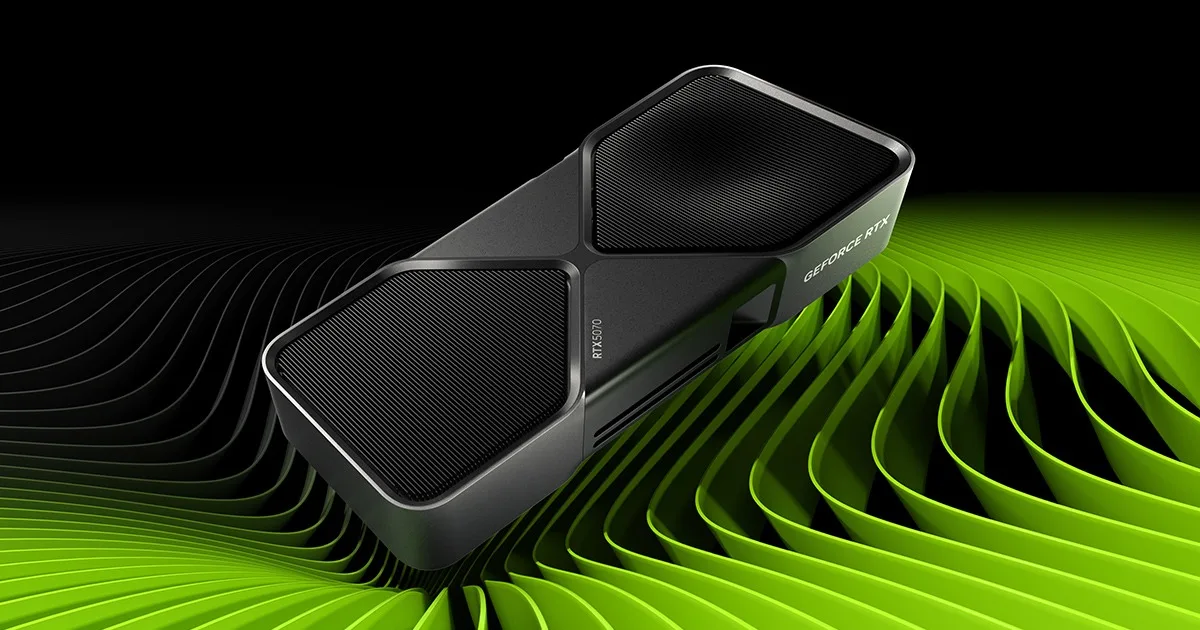
- 3. GeForce RTX 5070: Best for Nvidia Features
- 4. Radeon RX 9060 XT 16GB: Best for 1080p and Budget
- Also Considered, and Why Not
- What We Couldn't Verify
- Bottom Line
- FAQ
Here's the short version: the best graphics card for gaming in October 2026 is the Radeon RX 9070 XT (Gigabyte Gaming OC), because it gives you 16GB of VRAM and top-tier 1440p performance for $799 on Sept. 30, against an $899.99 Newegg median for the RTX 5070 in August. Step up to the RTX 5070 Ti for 4K, and drop to the RX 9060 XT 16GB for 1080p. Prices are moving every few weeks, so every figure below carries its date. Check the live listing before you spend anything.
Quick Picks: Best Graphics Card for Gaming by Resolution
| Label | Card | Price evidence (dated) |
|---|---|---|
| Best Overall / Best 1440p value | Radeon RX 9070 XT | $799.28 on Sept. 30 (Gigabyte Gaming OC, videocardprices.com) |
| Best for 4K | GeForce RTX 5070 Ti | $1,099.99 (Tom's Hardware best GPUs page, October 2026 update); about $1,100 (ThePCEnthusiast, Aug. 16) |
| Best if you want Nvidia features | GeForce RTX 5070 | $899.99 Newegg median in August (Tom's Hardware, via Wccftech) |
| Best 1080p / Budget | Radeon RX 9060 XT 16GB | About $470 (ThePCEnthusiast, Aug. 16) |
How We Picked the Best GPUs for Gaming
We did not benchmark these cards ourselves. The ranking comes from published independent testing, mainly Tom's Hardware's GPU hierarchy (last updated June 24, 2026) and its best GPUs page (October 2026 update), weighed against what each card costs now. We only picked cards that are on sale in the US this month, and we penalized any card whose price has run far above its launch MSRP.
Prices are the weak point. Memory costs pushed GeForce prices up three times this year (see our Nvidia price hike report), and AMD followed. Wccftech reported on Aug. 12 that AMD's price guidance, relayed by board channels in China, put the RX 9070 XT at about $1,037, up roughly 20%. That figure is converted from 6,999 RMB, so it describes the Chinese market, not US shelves. ThePCEnthusiast put the US street price near $720 four days later. Different markets, different retailers, different samples. Treat every price here as a range, not a quote.
1. Radeon RX 9070 XT: Best Overall
The Gigabyte Radeon RX 9070 XT Gaming OC costs $799.28 as of Sept. 30, 2026, per videocardprices.com, which tracks that specific Gigabyte model daily. The same tracker shows a range from $649.99 on June 10 to $799.51 on Sept. 14. AMD's launch MSRP was $599, so that Gigabyte price is about 33% over it.
On performance, Tom's Hardware's hierarchy says the RX 9070 XT ends up fourth in its rasterization ranking, just behind the RTX 5070 Ti, which it calls much more expensive. The best GPUs page names it the best enthusiast-value card, with raster performance within spitting distance of the 5070 Ti for far less money. Newegg Insider says it leads the RTX 5070 by 7 to 17% depending on the game, but that retailer blog doesn't name the benchmarks behind the range, so read it as a rough guide. It also lists 16GB of GDDR6 on a 256-bit bus, against 12GB on the 5070.
Reasons to buy
- 16GB of VRAM, which matters more each year at 1440p.
- Faster than the RTX 5070 in rasterization (Newegg Insider), and $100 under the 5070's August median (different dates, so a rough gap).
- Tom's Hardware's best enthusiast-value pick.
Reasons to avoid
- Tom's Hardware says Nvidia ensures DLSS is adopted in virtually every new game, while AMD's FSR 4 adoption has been hit-or-miss.
- The card draws 304W, 54W more than the RTX 5070 (Newegg Insider). Check your power supply.
The cheaper pick does 90% of the job here. If you play at 1440p and don't care about Nvidia's upscaling, stop at this card.
2. GeForce RTX 5070 Ti: Best for 4K
The ASUS Prime RTX 5070 Ti 16GB OC is the card to buy if 4K is the goal. Tom's Hardware's best GPUs page says it comes with full support for DLSS 4.5 and Multi Frame Generation, and that its 16GB of VRAM gives full freedom to enable every DLSS 4 feature. The same page lists it at $1,099.99, and ThePCEnthusiast saw about $1,100 on Aug. 16. Its launch price was $749.
Reasons to buy
- Ahead of the RX 9070 XT in rasterization (Tom's Hardware hierarchy).
- The full Nvidia feature set at 16GB.
Reasons to avoid
- Roughly $300 above the RX 9070 XT's $799 once you set Tom's $1,099.99 against the Sept. 30 tracker price (two sources, two dates), for a gain most 1440p players won't notice.
3. GeForce RTX 5070: Best for Nvidia Features
The PNY RTX 5070 OC Triple-Fan is the one I'd choose over the AMD card only if DLSS matters to you. Tom's Hardware's best GPUs page says the RX 9070 and RTX 5070 go neck-and-neck in its test suite, and its hierarchy gives the RX 9070 the edge, though it's close. The 5070 entry leans on DLSS 4.5 upscaling, which it says delivers better image quality from lower input resolutions. Tom's Hardware's Newegg tracking put the median at $899.99 in August, up from $659.99 in June (Wccftech).
The flaw gets its own paragraph: 12GB of VRAM at about $900 is the weakest part of this list. Skip it if you keep cards for five years. One note for consistency: our build guide names the 5070 for DLSS; at ~$900 and 12GB, I'd now look at the 9070 XT first.
Reasons to buy
- DLSS 4.5 and Multi Frame Generation support.
- Lower 250W draw than the RX 9070 XT (Newegg Insider).
Reasons to avoid
- 12GB of VRAM at about $900 (August median).
- Slightly behind the RX 9070 in rasterization, per Tom's Hardware.
4. Radeon RX 9060 XT 16GB: Best for 1080p and Budget
Tom's Hardware's hierarchy says practically any current-gen card from the RTX 5060 on up is good enough for high-refresh 1080p in 2026, even without upscaling or frame generation. The Sapphire Pulse RX 9060 XT 16GB is AMD's card for that tier. Its launch MSRP was $349. ThePCEnthusiast put it near $470 on Aug. 16. Wccftech's Aug. 12 report listed it at $637, but that is a China price converted from 4,299 RMB, so I don't use it as a US figure.
Reasons to buy
- 16GB of VRAM at a price well under the RTX 5060 Ti 16GB's $804.99 August median.
- Enough for high-refresh 1080p by the Tom's Hardware standard above.
Reasons to avoid
- It's a 1080p card with a little 1440p headroom, not a 4K card.
- The US street price sits well above the $349 launch MSRP.
Also Considered, and Why Not
- RTX 5090: it launched at $1,999; by September 2026, first-party stock was gone and store prices started around $4,299, as our Nvidia price report details. Not a sane buy.
- RTX 5080: about $1,500 in ThePCEnthusiast's August snapshot, against a $999 launch price. At that gap the 5070 Ti is the better deal.
- RTX 5060 Ti 16GB: $804.99 median in August. The build order and parts list we give first-time builders still names it, but the RX 9060 XT costs far less in the snapshots we found.
- Intel Arc B580: Tom's Hardware's hierarchy calls the $300-ish card Intel's best right now, but still very much a budget part. Stock is thin, so we didn't link one.
I'm the friend people text before they buy a GPU, so here's the rule I give them: pick the middle card, and wait if the price looks silly.
What We Couldn't Verify
- Live prices. Every price is a dated snapshot from a tracker or a news report. They disagree by hundreds of dollars, and the Wccftech Aug. 12 figures are China prices.
- Benchmarks. We did not benchmark any card. We read Tom's Hardware's rankings and picks, not its fps tables, and its hierarchy was last updated June 24, 2026, before the August and September price moves.
- Newegg's 7 to 17% gap between the RX 9070 XT and RTX 5070 comes from a retailer blog with no named test.
- The exact Amazon price of each model on the day you read this.
- Noise and temperatures of the specific board partner models linked here.
Bottom Line
Buy the RX 9070 XT unless you play at 4K (RTX 5070 Ti) or need Nvidia's software (RTX 5070). On a tight budget, the RX 9060 XT 16GB covers 1080p. 8.3/10 for the RX 9070 XT: strong card, hurt only by a price that has risen a third.
FAQ
What is the best graphics card (GPU) for gaming right now?
The Radeon RX 9070 XT is our pick for most players. Tom's Hardware ranks it fourth in rasterization, just behind the RTX 5070 Ti, and it costs roughly $300 less once you compare Tom's $1,099.99 for the Ti with the $799 Sept. 30 tracker price for the Gigabyte 9070 XT.
What is the best graphics card for 1440p?
The RX 9070 XT. I'm choosing it on its 16GB of VRAM, its raster ranking in Tom's Hardware's hierarchy and its price, not on a Tom's 1440p verdict. The Gigabyte model cost $799.28 on Sept. 30, per videocardprices.com. The RTX 5070 is the Nvidia alternative, with 12GB of VRAM.
What is the best graphics card for 4K?
The RTX 5070 Ti is the best graphics card for 4K here. Tom's Hardware lists it with full DLSS 4.5 and Multi Frame Generation support and 16GB of VRAM. Its best GPUs page prices it at $1,099.99, and ThePCEnthusiast saw about $1,100 on Aug. 16, which is far cheaper than an RTX 5090.
What is the best budget graphics card?
The Radeon RX 9060 XT 16GB is the best budget graphics card here, for 1080p, at roughly $470 in ThePCEnthusiast's Aug. 16 snapshot against a $349 launch MSRP. Intel's Arc B580 sits near $300, and Tom's Hardware calls it very much a budget part, with thin stock.
Should I buy a graphics card now or wait?
GeForce prices rose three times in 2026 and the cause is memory supply, per ThePCEnthusiast. We found no source that gives a date for relief. If your current card still runs your games well, waiting is reasonable. If it doesn't, buy the mid-range card, the RX 9070 XT, and check the date on every price.
Amazon links are affiliate links: as an Amazon Associate, LevelRig earns from qualifying purchases. It doesn't change our picks.
Radeon RX 9070 XT
Pros
- 16GB of VRAM at 1440p and light 4K
- $799 on Sept. 30, against an $899.99 August Newegg median for the RTX 5070, and ahead of it in rasterization per Newegg Insider
- Rasterization just behind the RTX 5070 Ti, per Tom's Hardware's hierarchy
Cons
- Behind Nvidia on upscaling software, per Tom's Hardware (FSR 4 adoption is hit-or-miss)
- Draws 304W against the RTX 5070's 250W (Newegg Insider)
- Street price is about a third over the $599 launch MSRP and swings by hundreds of dollars between trackers
 News
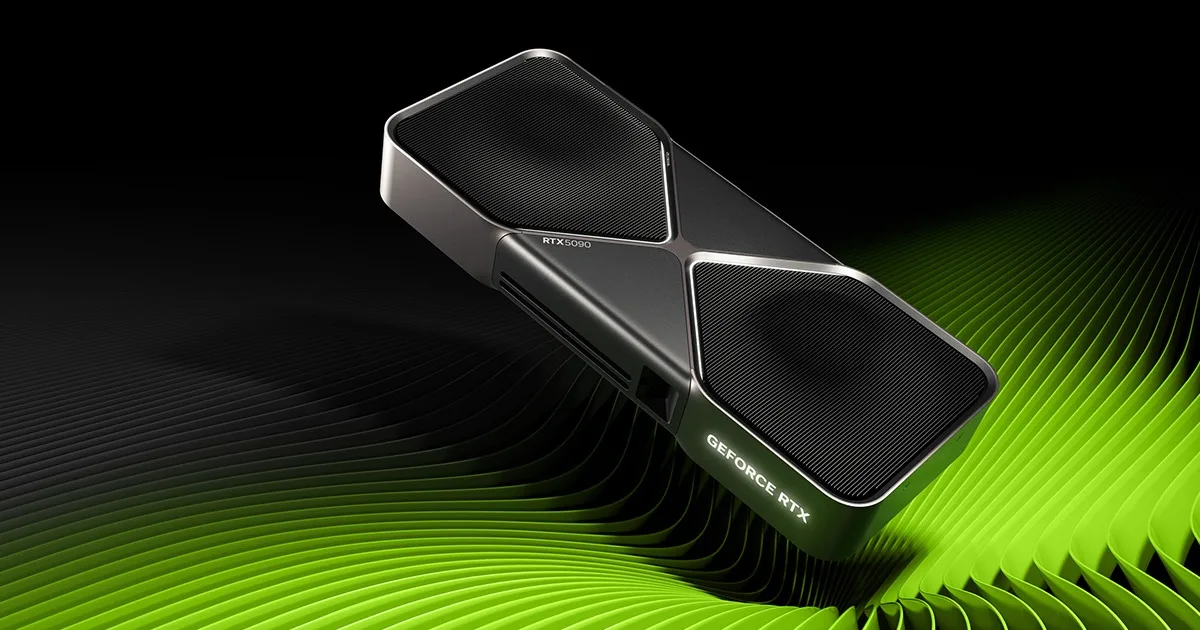
NewsNvidia Price Hike: RTX 5090 Now $4,299 to $9,500
The Nvidia price hike has the RTX 5090 far above its $1,999 launch price: the cheapest US card Tom's Hardware found in mid-September was about $4,299, with resellers asking up to $9,500. Here's what's confirmed and what it means for a build.
 Guides
How to Build a Gaming PC for Beginners (2026)
Building a first gaming PC is less about technical skill and more about doing things in the right order. Here's the budget breakdown, the real RTX 5060 Ti specs, and the build sequence that actually avoids the mistakes beginners make.
 Reviews
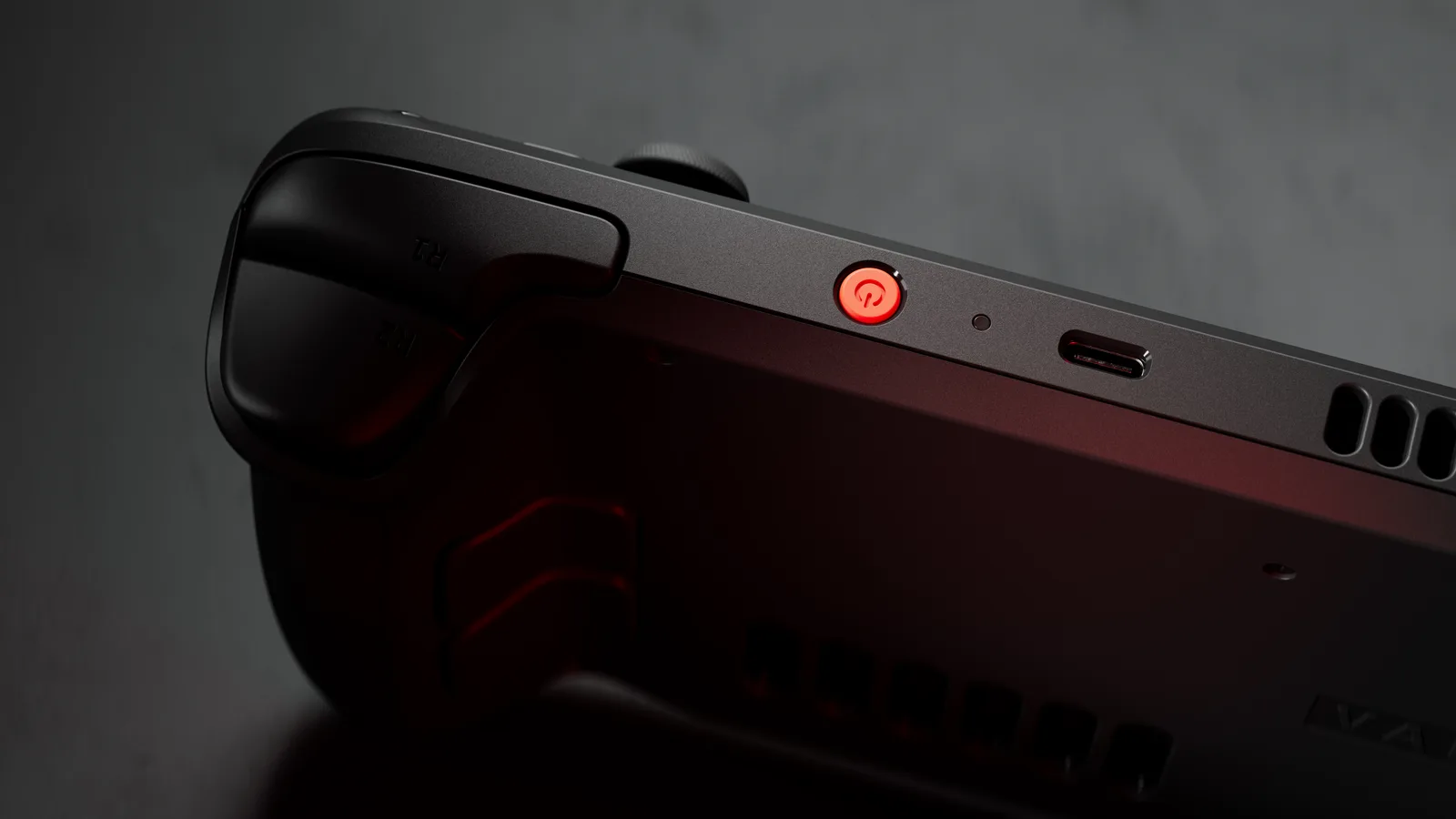
Best Steam Deck Charger (2026): 45W Picks Compared
A Steam Deck needs 45W over USB-C Power Delivery, and plenty of cheap chargers fall short. Here are the official adapter, 45W-65W alternatives and a power bank worth buying.