What Actually Matters If Back Pain Is the Problem
Most "best gaming chair" roundups rank chairs on looks, brand, and how many colors they come in. If your actual complaint is lower back pain, none of that matters. What matters is one specific mechanism: can you move the lumbar support to match where your spine actually curves?
Everyone's lower back curves at a slightly different height. A chair with a fixed lumbar bump — the kind molded into the foam and impossible to move — helps if you happen to match its assumption, and does nothing (or actively digs in wrong) if you don't. The chairs worth considering for back pain specifically are the ones where lumbar support adjusts independently in height and depth, plus a high backrest and foam dense enough to hold its shape after months of use instead of going flat.
That's the filter we used to narrow this down, based on specs, independent long-term reviews, and verified owner reports rather than marketing copy.
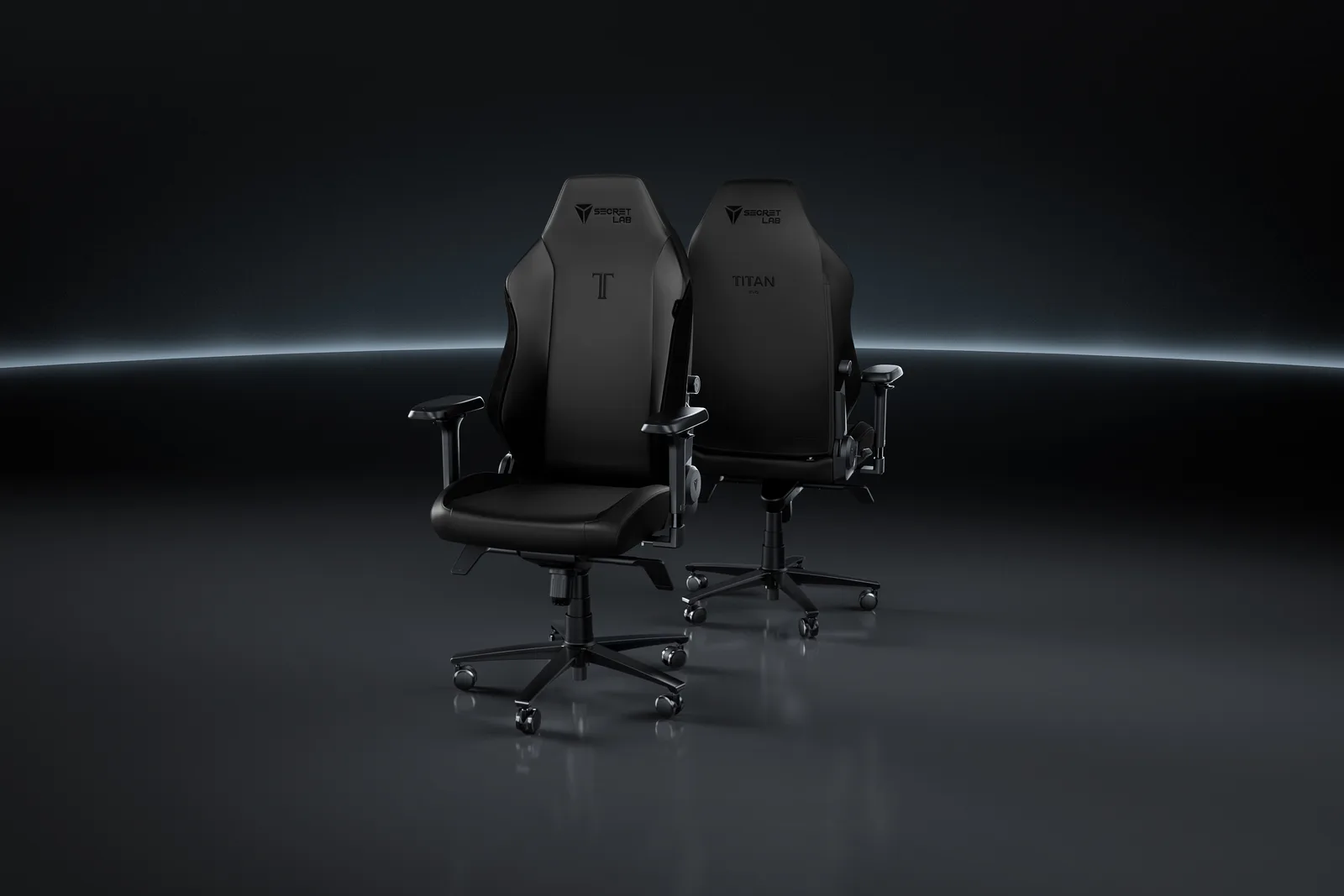
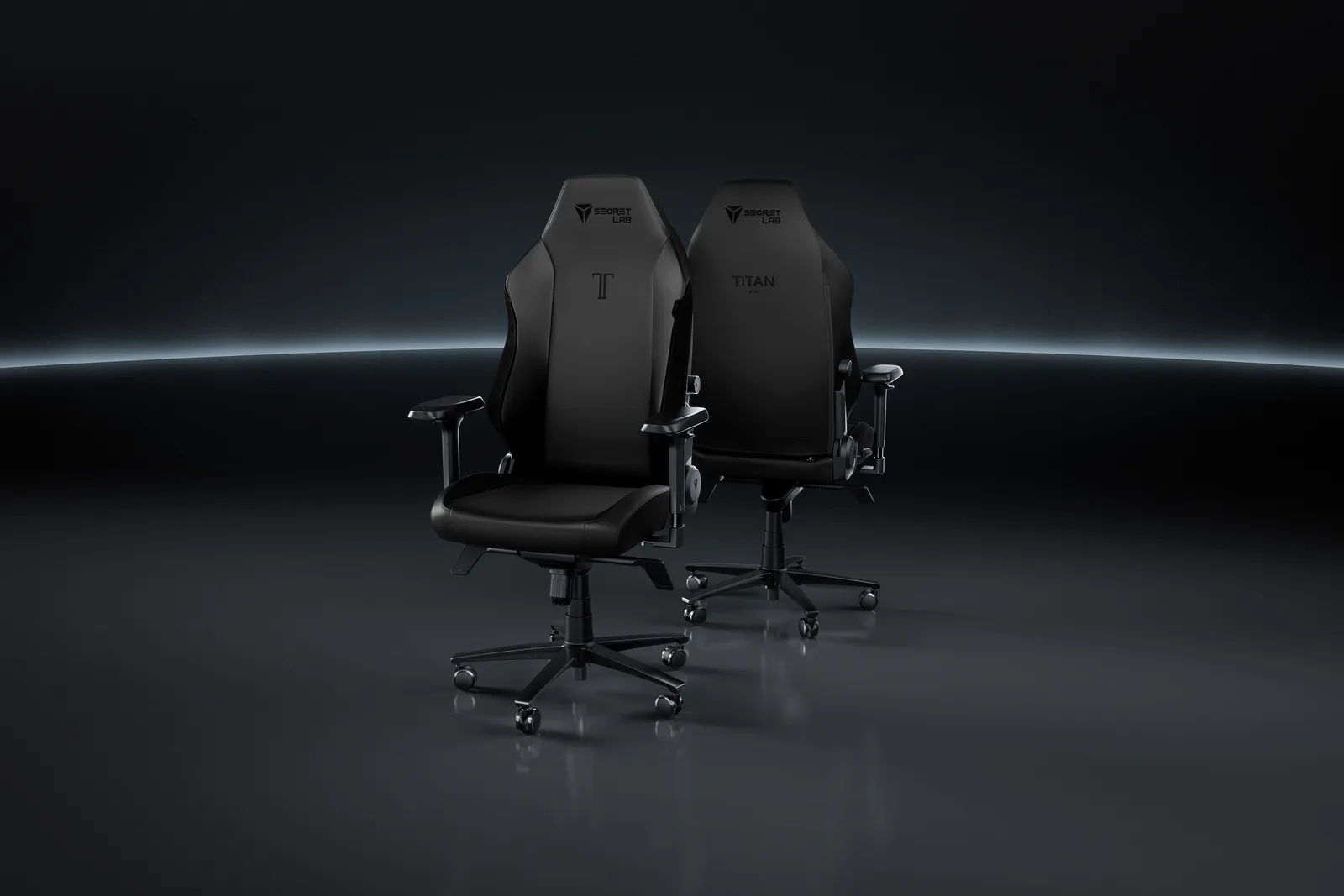
Our Pick: Secretlab Titan Evo
The Titan Evo's lumbar support is built into the backrest structure itself — a 4-way adjustable arch (up/down and in/out) sculpted from anthropometric data, not a strap-on cushion. That's the detail that separates it from most gaming chairs in its price range, where "lumbar support" usually means a single foam pillow you Velcro on and hope for the best.
It comes in three sizes (Small, Regular, XL), which matters more than most buying guides admit — a lumbar curve calibrated for a 5'6" frame sits in the wrong place on someone 6'2", regardless of how good the mechanism is. Pricing runs roughly $549 to $694 depending on size and material.
Independent long-term reviews and owner reports converge on the same point: it holds up through 4-6 hour sessions without the seat foam collapsing, which is where cheaper chairs usually fail first — not on day one, but on month six. It's become something close to the reference point other gaming chairs get measured against for back support specifically, not just comfort in general.
It's not perfect. Reviewers who've also spent time in high-end ergonomic office chairs — the Steelcase Leap V2 in particular — note the Titan Evo's lumbar is precise but static: you set it once, and it stays there. It doesn't flex with you as you shift position the way a Herman Miller Embody's BackFit system does.
If You Want More (or Less)
Herman Miller x Logitech G Embody is the chair to consider if budget genuinely isn't the constraint. Its BackFit spinal adjustment and breathable mesh are built to move with your spine rather than hold a fixed position, which is a real advantage if you shift posture often through a session. It costs significantly more than the Titan Evo, and for most people the jump in price outpaces the jump in actual back-pain relief — but if you've already ruled out cheaper options and pain persists, it's worth the look.
Budget alternatives (Yaheetech and similar entry-level gaming chairs) use a contoured backrest plus a separate lumbar pillow rather than an integrated adjustable arch. They're a reasonable stopgap if you're not ready to spend $500+, but treat them as exactly that — a stopgap, not a long-term fix, since the lumbar position isn't adjustable to your specific spine curve. If overall value under $200 matters more to you than lumbar precision specifically, see our best gaming chair under $200 breakdown instead.
What a Chair Won't Fix
Worth saying plainly: a well-designed lumbar support reduces the strain of sitting for long sessions. It does not treat a diagnosed back condition, a herniated disc, or chronic pain that predates your gaming setup. If pain is persistent regardless of chair, that's a conversation for a doctor or physical therapist, not a product page — including this one.
A chair also only solves part of the posture equation — monitor height and desk layout matter just as much for neck and shoulder strain specifically.
The Verdict
For lower back pain specifically — not general comfort, not aesthetics — the Secretlab Titan Evo's adjustable 4-way lumbar support is the mechanism that actually matters, and it's priced well below the ergonomic-office-chair tier that offers similar precision. 8.7/10. Step up to the Herman Miller Embody only if you've already tried proper lumbar adjustment and still need more; don't start there.
If back pain isn't the deciding factor for you, see our overall gaming chair pick for how this recommendation weighs against options built for other priorities.
Secretlab Titan Evo
Pros
- 4-way lumbar support (height AND depth) built into the frame, not a bolt-on pillow
- Three size options (Small/Regular/XL) fit a wider range of body types than most gaming chairs
- Consistently rated the standout for back support across independent reviews, not just marketing claims
- Holds up for 4-6 hour sessions without the foam collapsing, per long-term owner reports
Cons
- Lumbar support is fixed-position, not dynamic — it won't flex with you like a Herman Miller Embody's BackFit system
- $549+ is a real purchase, not an impulse buy
- Won't fix an existing diagnosed back condition — it's a chair, not a treatment