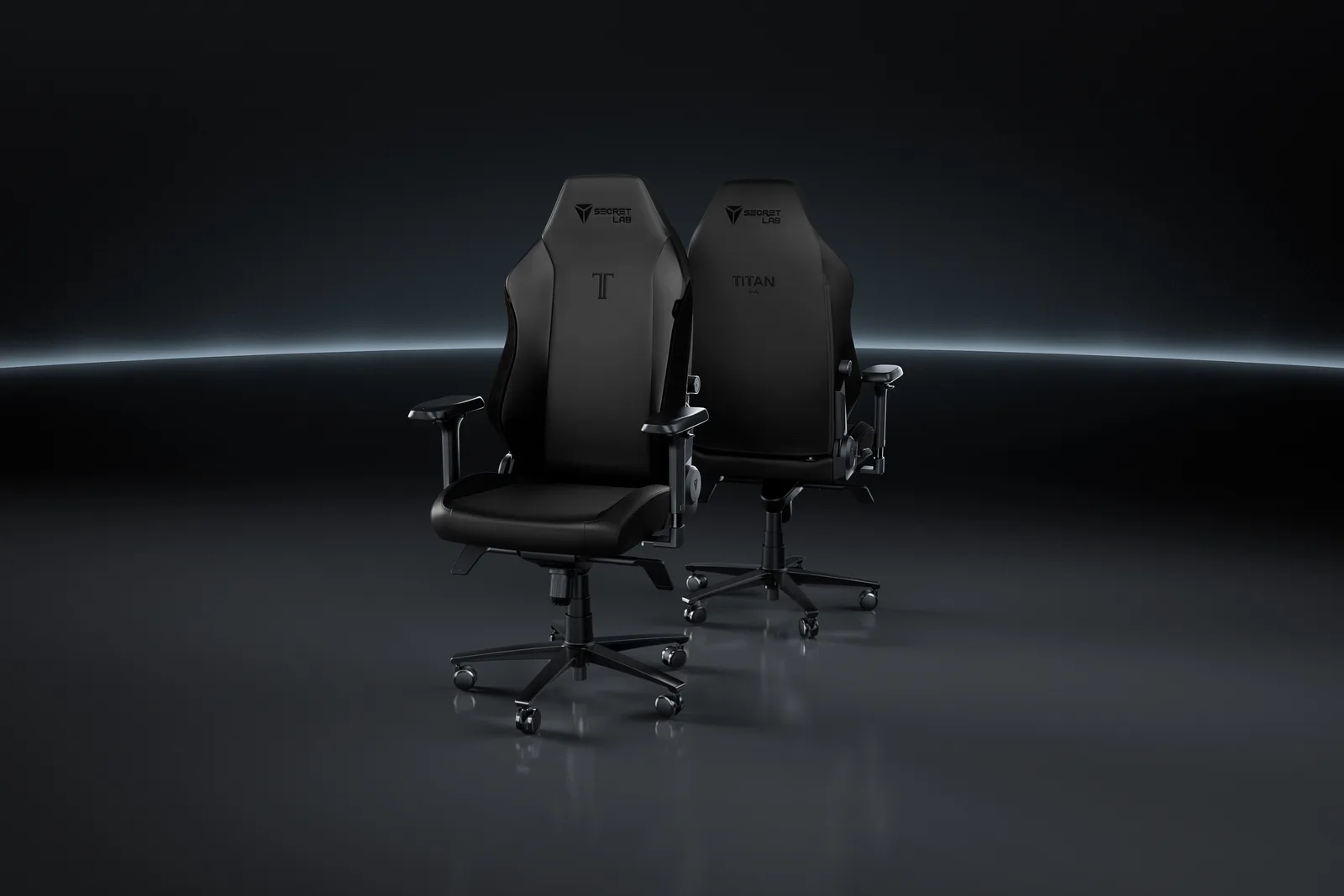
The best gaming chair overall in 2026 is the Secretlab Titan Evo. It costs $579 on Secretlab's own pricing page on October 3, 2026, during a sale that runs to November 12 ($669 regular for the Regular size; XL $629 on sale), and pairs a 4-way adjustable lumbar system with three size options and a 5-year warranty that SeatedLab's breakdown notes is shorter than the 12-year coverage on high-end office chairs but still ahead of most gaming-chair warranties. It doesn't win every category — the Razer Iskur V2 has a more precise lumbar system, and cheaper chairs exist — but it has the fewest real trade-offs at its price. Here's why, and the three situations where a different chair actually serves you better.
Why There's No Single Right Answer
Every "best gaming chair" list eventually picks one winner, which flattens a real trade-off: the chair that's best for a specific back condition isn't necessarily the best value, and the best value pick isn't the most adjustable. The honest version of this list names an overall winner and is upfront about when a different chair actually serves a reader better.
The Overall Pick: Secretlab Titan Evo
Across independent reviews — not just one outlet's opinion — the Secretlab Titan Evo consistently comes out as the best overall balance: integrated 4-way lumbar support (height and depth, not a bolt-on pillow), three size options that fit a wider range of bodies than most competitors, and consistent long-term reliability reports rather than just strong first impressions. The price is $579 on Secretlab's product page on October 3, 2026, during a sale that runs to November 12 ($669 regular for the Regular size; XL $629 on sale). The final figure depends on the size and fabric you configure, so check the current listing before buying, since Amazon pricing on specific sizes has run higher than Secretlab's own site.
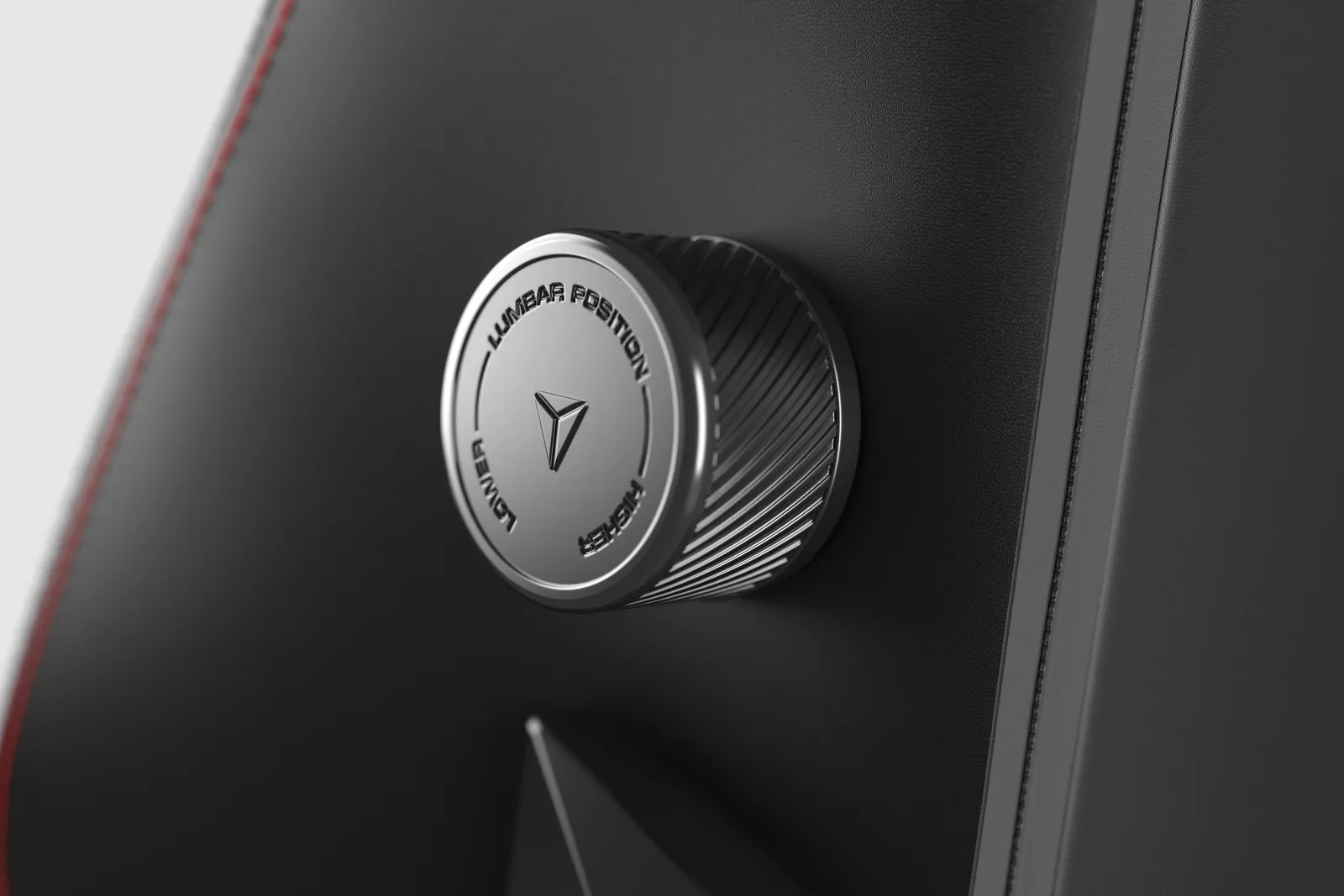
We cover the mechanics of why its lumbar system works in detail in our full back-pain-focused review — the short version is that a lumbar arch you can actually position to your spine's specific curve is the feature that matters most for long sessions, and the Titan Evo does this without the premium-office-chair price tag. I've kept a running spreadsheet of every chair I've seriously considered for about ten years now, mostly out of habit from LAN-party days when a bad seat meant a bad Saturday — the Titan Evo is one of the few that's stayed near the top of it for more than a single model year.
When a Different Chair Actually Wins
If back-support precision is the single priority, regardless of cost: the Razer Iskur V2 ($649.99, per Razer's official product page and confirmed by Reviewed.com's testing) uses what Razer calls a 6D lumbar system — two dials for height and depth, plus a pivot that PCGamesN found swivels and tilts as you turn in your seat, rather than staying locked in one position. Tom's Hardware called the lumbar support "glorious", and PCGamesN, which compared the two chairs directly, concluded that "Razer has edged out Secretlab when it comes to prolonged comfort." At $649.99 it costs about $70 more than the Titan Evo's $579 sale price (and $19 less than its $669 regular price) for that extra range of motion, which is worth it only if lumbar fit specifically, not overall value, is what you're optimizing for.
If style and an office-appropriate look matter as much as gaming use: the Fractal Design Refine ($549.99, per PC Gamer's review) leans into Scandinavian design and office-level ergonomics rather than a racing-seat aesthetic. Fractal has since released a Refine 2 at a higher price point with added lumbar and armrest features, reviewed by Tom's Hardware here — worth comparing both if the original Refine isn't in stock when you look.
If budget is the actual constraint: neither of the chairs above is a budget pick. Our complete breakdown of what you get under $200 covers the Corsair TC100 Relaxed, which delivers most of the comfort without the premium lumbar mechanism — with a caveat on current pricing that we lay out in that article.
For Long Sessions: Best Gaming Chair for Long Hours
If you sit for four, six or eight hours at a stretch, two things matter more than the styling: how well the lumbar adjusts, and whether the chair fits your frame. Nothing here replaces getting up and moving, and no chair on this list is a medical device. Within that limit, the picks hold.
- Secretlab Titan Evo. The 4-way lumbar sets height and depth to your spine and then stays put. It's our default among gaming chairs for long sessions because it pairs that with three body sizes (see the next section), and fit is where long-hours comfort is won or lost. If you sit 6 to 10 hours a day, an ergonomic office chair like the Steelcase Series 1 can beat any gaming chair on warranty (see gaming chair vs office chair). SeatedLab's size breakdown recommends sizing up if you sit at the top of a range or have a broader frame.
- Razer Iskur V2. PCGamesN judged that the Razer "edged out Secretlab when it comes to prolonged comfort," crediting a lumbar that moves with you. Razer's spec sheet lists a floor-to-seat height of 435-535mm (about 17 to 21 inches) and a recline up to 153.5°. If your sessions run long and your budget allows about $70 more than the Titan Evo's $579 sale price, this is the upgrade.
- Corsair TC100 Relaxed. Fine for a few hours a night. Its bolt-on lumbar pillow is why we don't point long-session buyers to it; see our under-$200 breakdown.
We haven't found independent testing that measures comfort over eight-hour days on any of these chairs, so treat "best for long hours" as a read of lumbar design and reviewer consensus, not a measured result.
For Tall Players: Best Gaming Chair for a Tall Person
Tall buyers should shop by the manufacturer's height range first and style second. Here's what the makers publish:
| Chair | Recommended height | Weight capacity | Backrest height | Source |
|---|---|---|---|---|
| Secretlab Titan Evo Regular | 5'7" to 6'2" | 285 lbs | 34.6" | SeatedLab |
| Secretlab Titan Evo XL | 5'11" to 6'9" | 395 lbs | 35.8" | SeatedLab |
| Razer Iskur V2 | 160-200cm (5.3 to 6.6 ft) | 299 lbs (136kg) | 855mm (about 33.7") | Razer |
For anyone over about 6'2", the pick is the Titan Evo XL. Of the three, it has the tallest backrest and the highest weight capacity, and its listed range tops out at 6'9". The Iskur V2 stops at about 6'6", and its backrest is shorter than the Titan Evo Regular's. Seat and backrest size is the one thing on a gaming chair you can't fix with a pillow, so a chair rated for your height matters more than a few dollars saved.
Between 5'11" and 6'2", the Regular and the XL overlap. If you're in that window and broad-framed, SeatedLab's advice is to size up. On price, Secretlab's page showed the XL at $629 on sale on October 3, 2026, against $579 for the Regular (sale runs to November 12). We don't know the XL's regular price (see below).
How to Actually Decide
Ask which of these is true for you, in order:
- Diagnosed or recurring back pain is the main issue → start with the back-pain-specific breakdown linked above, not this general list — the Titan Evo is still the pick there, but the reasoning is more specific to that use case.
- Money is the actual limit, full stop → go straight to the under-$200 pick covered above.
- Neither of those is the deciding factor → the Titan Evo is the right default, with the Iskur V2 and Refine as the two legitimate reasons to spend differently.
If the word on the box is what you're shopping on, we rank four chairs against OSHA's adjustment checklist, including the two Herman Miller hybrids.
What We Couldn't Verify
None of the chairs here have a published RTINGS lab review with standardized load and durability testing, so the "5-year reliability" reports for the Titan Evo come from owner threads and long-term outlet write-ups like ChairsFX's five-year review (a chair received in October 2021), not a controlled test. We also don't know the XL's regular (non-sale) price: Secretlab's page showed $629 on sale, and a crossed-out regular price only for the Regular size ($669). Check the configurator for your size and fabric. The Titan Evo size figures come from SeatedLab's review and the Iskur V2 figures from Razer's own sheet (a manufacturer claim); we found no independent measurement of either, and none on how tall users fare over long sessions. And we can't confirm real-time pricing at the moment you're reading this — Secretlab and Amazon pricing shift with sales, so treat the figures above as an October 3, 2026 snapshot (the Titan Evo sale ends November 12) and check the live listing before buying.
FAQ
Is the Secretlab Titan Evo worth the price?
For most buyers, yes — independent reviews consistently rate its lumbar support, build quality, and warranty coverage above other chairs near its price ($579 on sale, $669 regular for the Regular size, as of October 3, 2026), per SeatedLab's testing. It's worth skipping only if you specifically need the Iskur V2's more precise lumbar system or a sub-$200 budget.
What's the difference between the Titan Evo's lumbar and the Razer Iskur V2's?
The Titan Evo adjusts height and depth through a fixed 4-way arch you set and leave; the Iskur V2's 6D system adds a pivot that moves with you as you shift position, which PCGamesN says gives the Razer the edge over the Secretlab for prolonged comfort. The Iskur V2 is $649.99, about $70 more than the Titan Evo's $579 sale price.
Does the Titan Evo come in different sizes?
Yes. Secretlab sells it in Small, Regular, and XL frames with proportionally scaled seat depth and backrest height, per Secretlab's official spec page — picking the wrong size undercuts the lumbar fit regardless of how good the mechanism is.
What is the best gaming chair for long hours?
The Titan Evo is our default for long sessions, and the Razer Iskur V2 is the upgrade if lumbar comfort is the priority: PCGamesN says it edges out Secretlab for prolonged comfort. We found no independent eight-hour test of either.
What is the best gaming chair for a tall person?
The Titan Evo XL, which SeatedLab lists for heights of 5'11" to 6'9" and weights up to 395 lbs. The Iskur V2 covers up to 200cm (about 6'6"), per Razer.
The Verdict
The Secretlab Titan Evo remains the overall pick for 2026 because it's the chair with the fewest real trade-offs at its price — not because every category winner is the same chair. 8.8/10. Know which of the three questions above actually applies before defaulting to the "best overall" pick.
Update, October 3, 2026: Titan Evo and Iskur V2 prices re-checked against Secretlab's and Razer's pages, and the price gaps recalculated. Also added "For long sessions" and "For tall players" sections, with manufacturer height ranges and weight limits from Razer and SeatedLab, and two matching FAQ entries. Updated September 28, 2026: every price, spec, and lumbar claim is now credited to its source, and the Razer Iskur V2's "6D" lumbar is described accurately (it pivots with you, not just two fixed dials). Audit corrections, October 2, 2026: the Titan Evo versus Iskur V2 comparison is now credited to PCGamesN, the price range to Secretlab's page, and ChairsFX's follow-up is correctly described as five years.
Secretlab Titan Evo
Pros
- Best balance of adjustability, build quality, and price across independent reviews — not just a single outlet's opinion
- Three sizes fit more body types than most competitors offer
- 4-way lumbar support handles the majority of back-support needs without the premium of a 6D system
- Backed by consistent long-term reliability reports, not just first-impression reviews
Cons
- Razer Iskur V2's 6D lumbar — which also swivels as you shift position, not just two fixed dials — is genuinely more precise, for about $70 more than the Titan Evo's $579 sale price
- At $579 on sale ($669 regular, Oct 3, 2026), it's not a budget chair — see our under-$200 breakdown if price is the main constraint
- Fabric and leatherette options mean checking which suits your room before buying, not a universal choice
 Reviews
Best Gaming Chair for Back Pain and Lumbar Support (2026)
Most 'best gaming chair' lists rank comfort. We ranked lumbar support you can actually adjust to your spine — here's the one chair that gets it right, and when to look elsewhere.
 Reviews
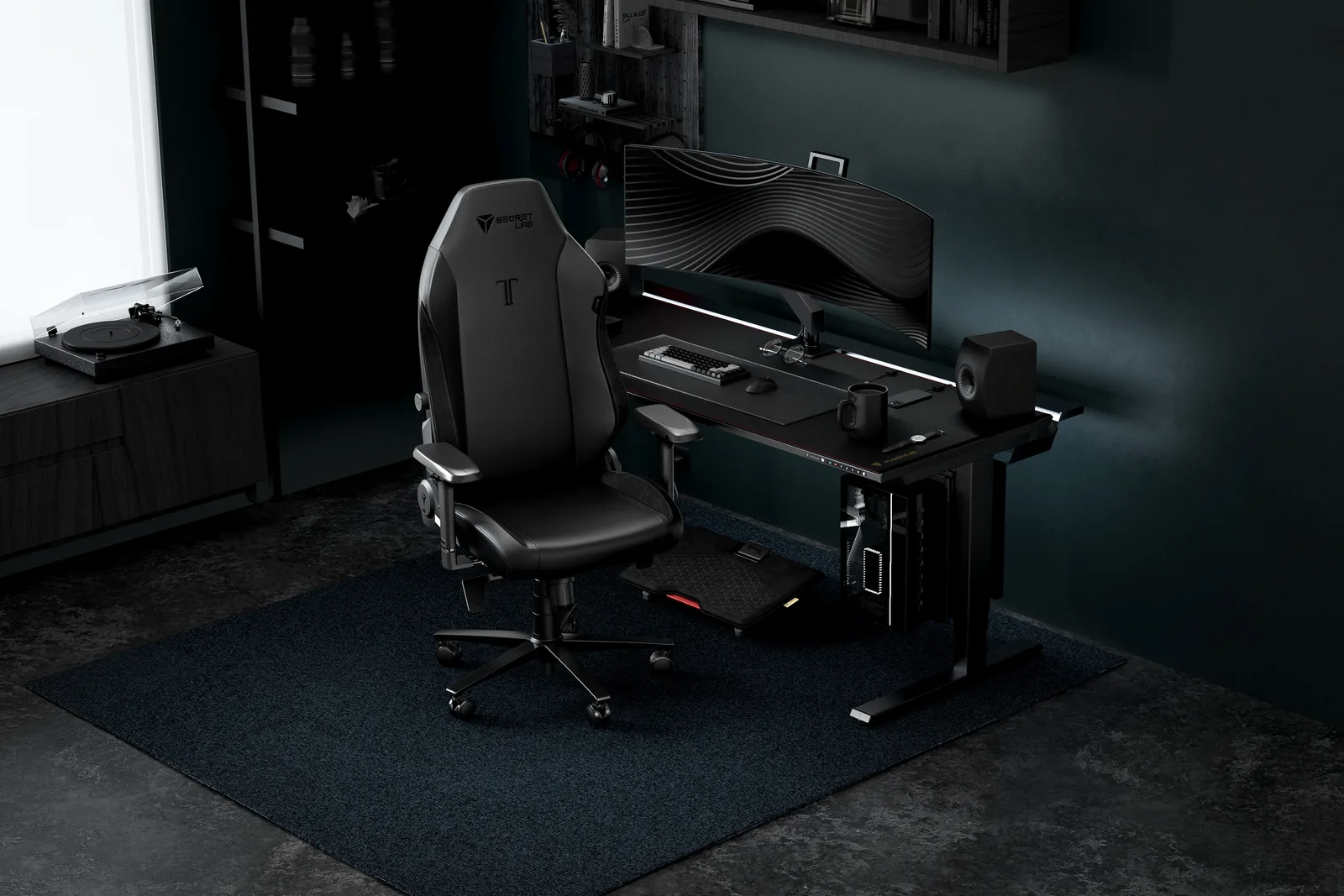
Best Ergonomic Gaming Chair (2026): Ranked by Fit
'Ergonomic' is a label anyone can print. Adjustability is a spec you can check. Here are the gaming chairs ranked by the adjustments their makers publish.
 Setup
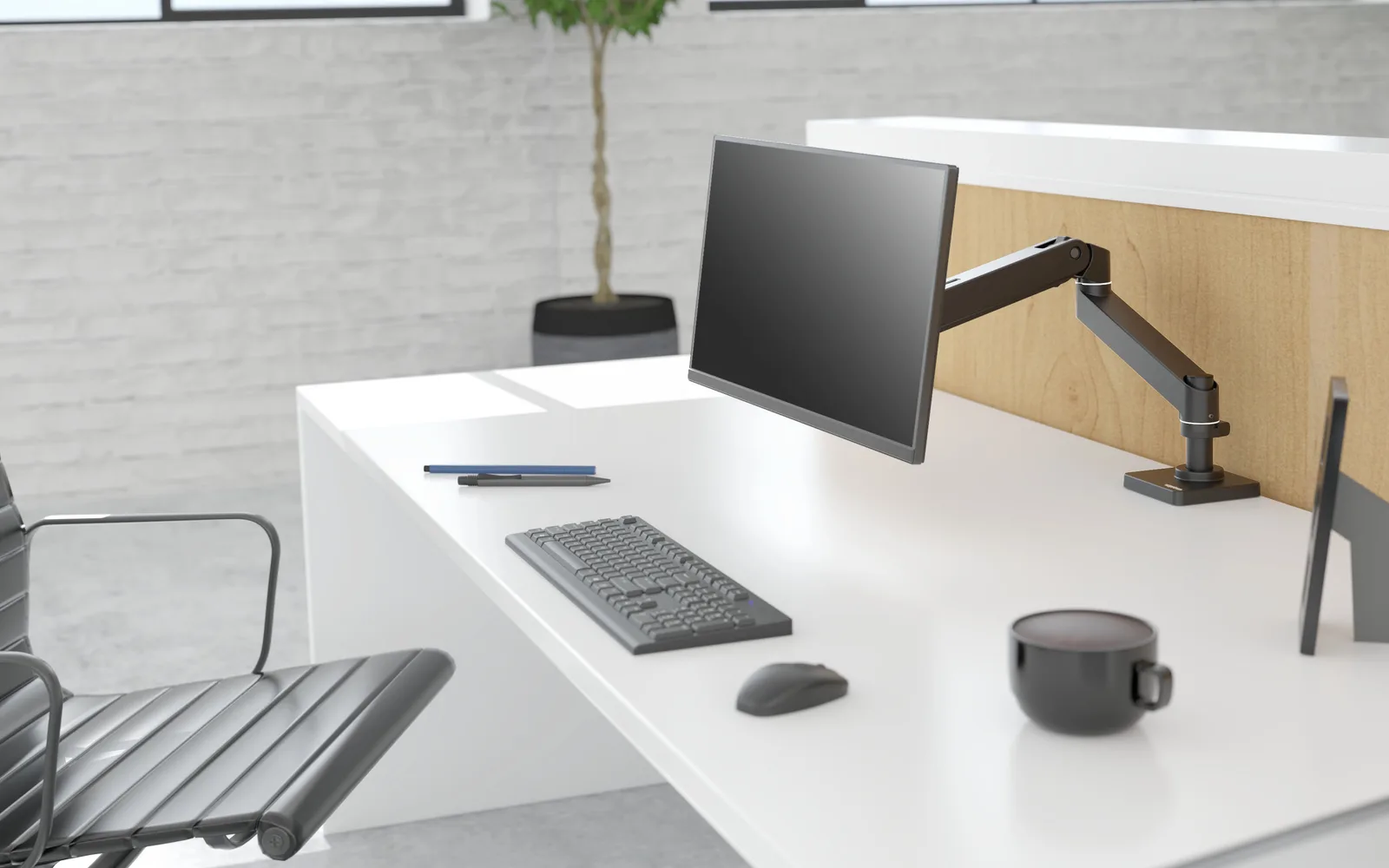
Best Monitor Arm (2026): 4 Picks by Monitor Weight
The right monitor arm is the one rated for your monitor's weight. Here are four picks, from a single arm for most desks to a heavy-duty arm for ultrawides, with limits, VESA and prices from named sources.